She entered the records as Jane Doe Number One—the first unidentified female homicide victim in Los Angeles in 1947. Before long, the mystery swallowed the name. America came to know her not as Elizabeth “Beth” Short, but as The Black Dahlia.
/head>
For over seventy years, her murder has gone unsolved — buried under decades of tabloid myth. One retired newspaper copy editor spent years doing what he did for a living: checking every fact until only one story survived.
She entered the records as Jane Doe Number One—the first unidentified female homicide victim in Los Angeles in 1947. Before long, the mystery swallowed the name. America came to know her not as Elizabeth “Beth” Short, but as The Black Dahlia.
On the morning of January 15, 1947, Betty Bersinger pushed her young daughter in a stroller along Norton Avenue in South Los Angeles when she thought she came across a mannequin.
"I saw this very dead, white body. It was so white... it didn't look real." — Betty Bersinger
Beth Short lay carefully posed in the vacant lot, her body arranged with unsettling precision. Her gray-blue eyes stared into the California sky. The brutality of the murder stunned even seasoned detectives, and by the next day's headlines, the case had become a national obsession.
Mr. Harnisch spent three decades as a newspaper copy editor — the person whose entire job is to catch what everyone else missed. No inaccuracy slipped past him, no inconsistency, no broken sentence. He brings that same punctilious eye to the Black Dahlia case, treating a seventy-year-old murder file the way he once treated tomorrow's front page: verify everything, trust nothing.
"What keeps me going is that I promised myself I would clear up all the lies and myths and try to reclaim Elizabeth Short from the Black Dahlia freaks. I feel a responsibility." — Mr. Harnisch
On the fiftieth anniversary of the murder, legendary FBI profiler John Douglas — the man who helped pioneer criminal profiling itself — made a claim that reopened the case in Mr. Harnisch's mind.
The killer, Douglas said, had every opportunity to dispose of the body safely, in a hundred places no one would ever look. Instead, he chose a residential lot in plain view. Douglas believed that wasn't carelessness. It was a message — and it was possibly personal.
Mr. Harnisch began searching for a thread connecting the killer to the crime scene — and to the neighborhood itself. In 1997, buried in paperwork no one had thought to cross-reference, he found it.
He was reading the marriage certificate of Short's sister, Virginia Short, when a name in the witness line stopped him: Barbara Lindgren, address listed as 3959 Norton Ave. Tax records traced ownership of that address to a Ruth Bayley.
Elizabeth Short's body was found on an undeveloped lot at what is now 3825 Norton Ave. Dr. Walter Bayley's home stood one block away, at 3959 South Norton Ave — and his daughter was friends with Beth's sister.
"The story was such big news — the body was found down the street from her mother's house, and the family knew Short's sister." — Mr. Harnisch
Mr. Harnisch had the pieces. Now came the harder part: stitching them into a scenario that actually held together.
Barbara Lindgren had stood as matron of honor at Virginia Short's wedding. Virginia and her husband, Adrian West, knew the Bayley family well. Elizabeth Short — couch-surfing, nearly penniless, freshly dropped at the Biltmore Hotel after a stretch in San Diego — had nowhere to go.
Mr. Harnisch's theory: she may have remembered something West or her sister once mentioned. Walter Bayley was listed in the phone book. His office was a short walk from the Biltmore. She could have simply gone looking for a familiar name.
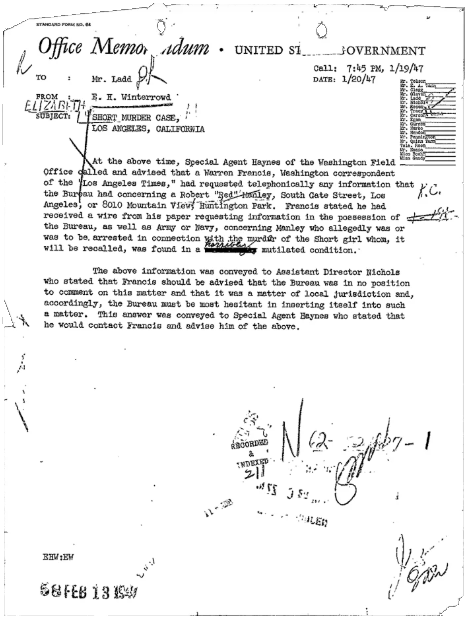
Before her death, Beth (Black Dahlia) was living in San Diego, when she started dating a traveling salesman named Robert “Red” Manley. Their relationship lasted barely a week.
On January 9, 1947, Manley drove Beth to downtown Los Angeles.
She told him she was meeting her sister at the Biltmore Hotel.
She wasn't.
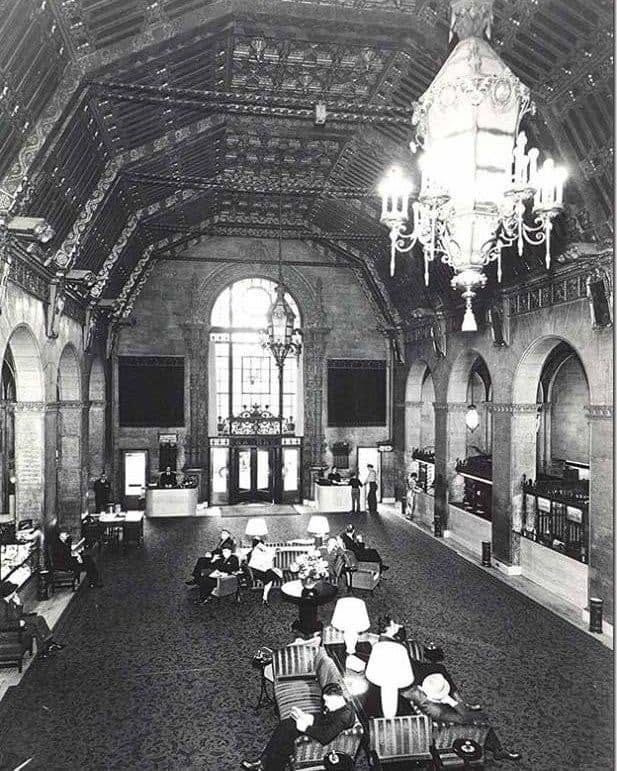
Witnesses saw her making phone calls from the hotel lobby throughout the evening before she disappeared into the night around 10 p.m.
No verified witness ever saw Elizabeth Short alive again.
Six days later, her body was found on Norton Avenue.
Douglas went further than "personal." He speculated the killer was angry at residents of Norton Avenue specifically — that the act was meant to "put the fear of God into that neighborhood."
Walter Bayley had adopted two daughters, then had one biological son — a boy he doted on completely. In 1920, that son was riding his bike when he saw his younger sister start to step into a busy street. He rode toward her to pull her back and was struck and killed by a truck.
"Walter was our only son — the only child of our flesh and blood. Our hearts and soul were wrapped up in him… I have seen much of death — but I never understood it before." — Dr. Walter Bayley, in a newspaper interview
A few years before his death, Bayley disinherited the two people still living at 3959 South Norton Ave: the daughter he may have blamed for his son's death, and his estranged wife, who had been responsible for supervising her.
His son died on January 13th. Short disappeared on January 9th. Her body was found on January 15th — meaning she could have been killed on the exact anniversary Bayley never stopped grieving.
"I'll never say I'm a hundred percent sure. I still don't have all the details I'd like, and I'm still hoping to get more." — Mr. Harnisch
Keep scrolling. Watch the distance for yourself — from the lot where Short's body was found to the front door Bayley walked through every day.
"As you can see, it's an easy walk from the crime scene to Walter Bayley's house — only one block. So it's clear that Bayley has a connection to the street where Short is killed. The Short family and the Bayley family know each other." — Mr. Harnisch
This is Mr. Harnisch's theory, built over years of original research — not a proven conclusion, and not a formal accusation. Elizabeth Short's murder remains officially unsolved. Even Mr. Harnisch is the first to say so.
The number of suspects, and the broad diversity of suspects, is astounding. Some letters were signed as the Black Dahlia Avenger, but law enforcement can authenticate only a few connections — the “avenger” not one of them. There are many theories which have had traction with true crime sleuths. The book The Black Dahlia Avenger is a 2003 true-crime book by retired LAPD detective Steve Hodel, who believes the murder of Elizabeth Short was committed by his father, Dr. George Hodel. I've spent a lot of time looking into his theories, and I believe he's trying to profit off of her murder. While Dr. George Hodel was a suspect, there were hundreds of suspects, and Hodel was never considered a viable one. In fact, there's no evidence the two ever crossed paths.
If you're interested in learning more about this theory, visit his site.
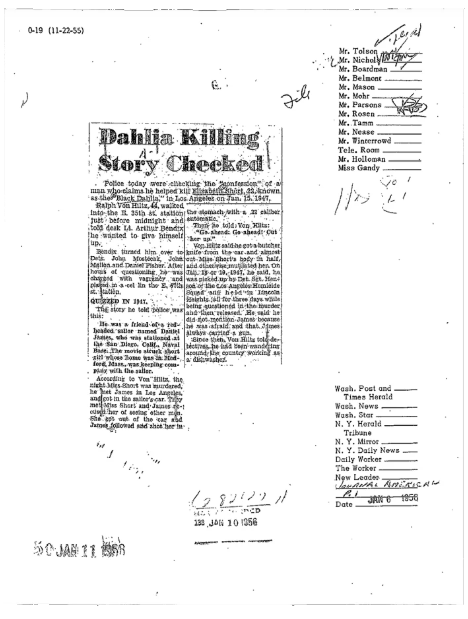
I've attempted to learn about the various popular theories, of which there are many. If you're interested in the raw details of the investigation, there's an enormous amount of information in the “newly” released FBI Report.
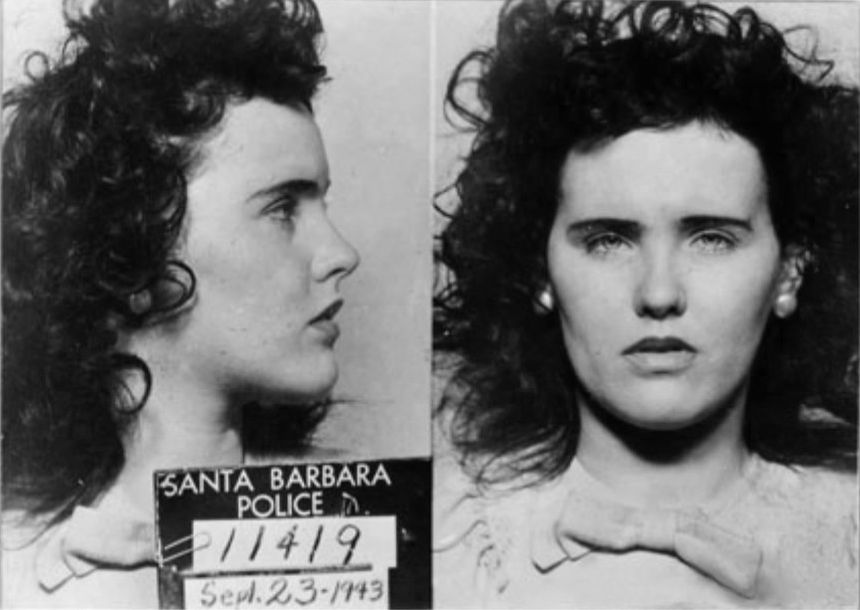
19-year-old Beth Short is arrested at El Paseo Restaurant's bar for underage drinking. Her booking photo and fingerprints were taken — which is how the FBI identified her in 1947.

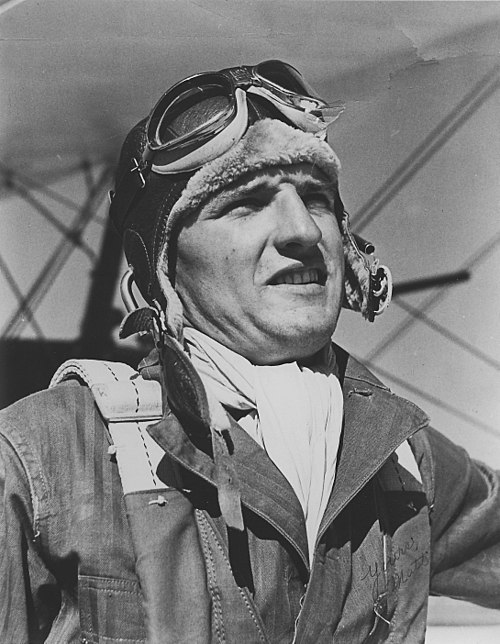
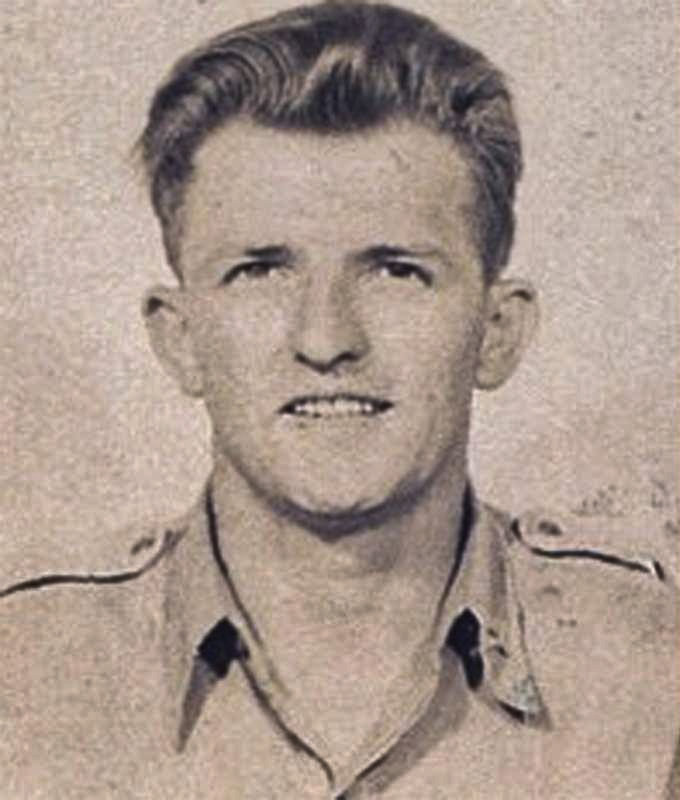
During World War II she escaped New England's winters for Florida, where she met Major Matt Gordon Jr., a young Army Air Forces pilot from Pueblo, Colorado. They fell in love. He proposed by letter while flying combat missions over Burma.
She said yes.
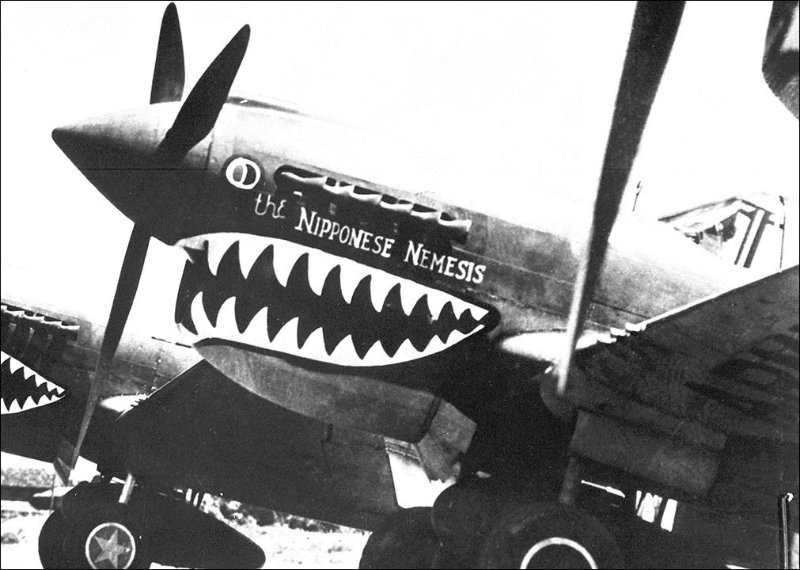
On August 10, 1945, Maj. Gordon was killed while piloting a P-51 Mustang near Kalaikunda in West Bengal, India — just a few weeks before Japan's official surrender on September 2, 1945. He was 26 years old.


Maj. Matthew M. Gordon Jr. was laid to rest at the National Memorial Cemetery of the Pacific, in Honolulu, Hawaii.
Source: the Grateful Nation Project & Hero Cards — Matthew M. Gordon Jr., United States Army (Air Forces)
placeholder
On January 9, 1947, Manley drove Beth to downtown Los Angeles.
She told him she was meeting her sister at the Biltmore Hotel.
She wasn't.
Witnesses saw her making phone calls from the hotel lobby throughout the evening before she disappeared into the night around 10 p.m.

Six days later, her body was found on Norton Avenue.

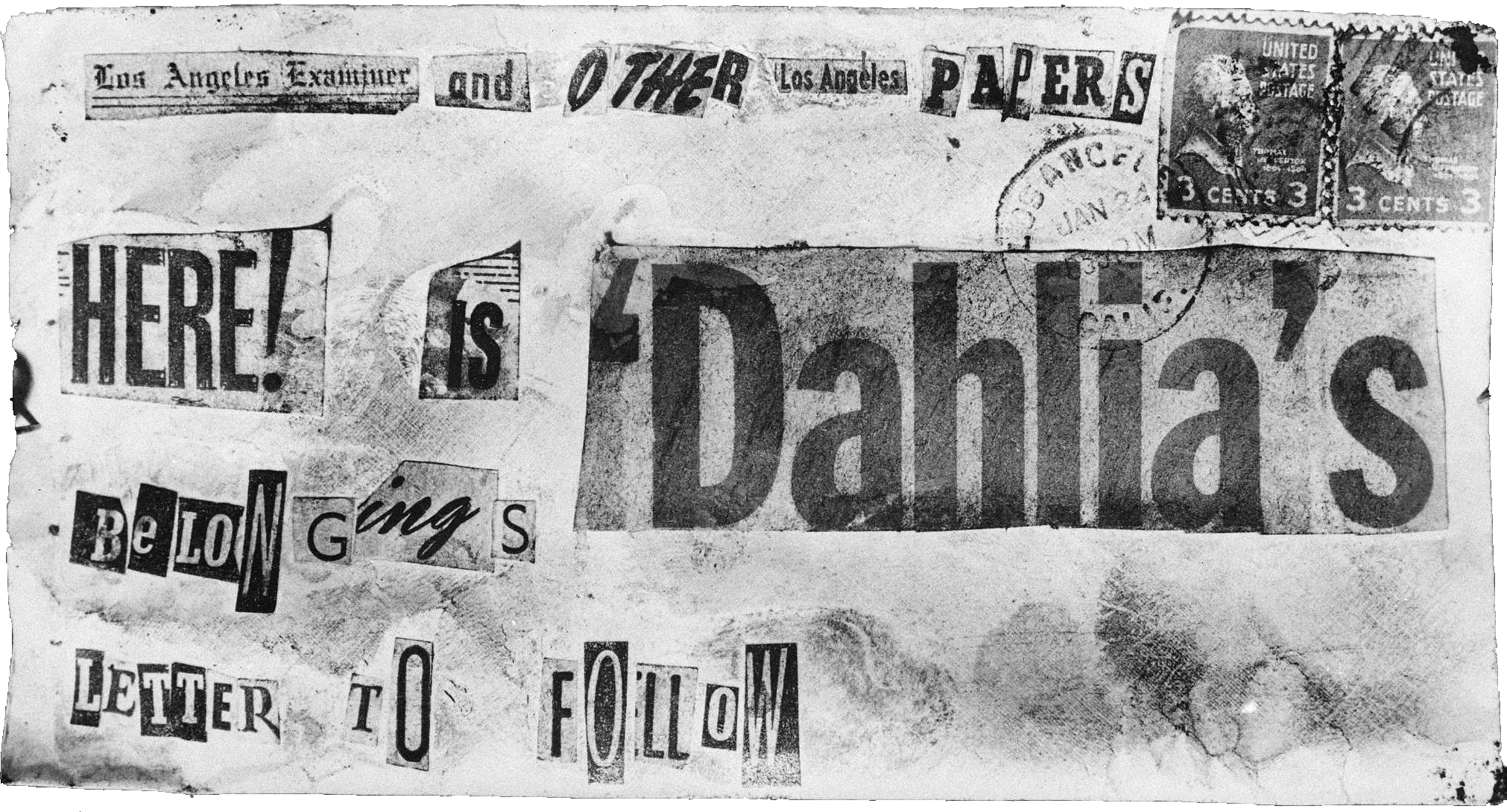
The killer telephoned the Los Angeles Examiner, promising police would receive “souvenirs” belonging to Beth.
Three days later, an envelope arrived.

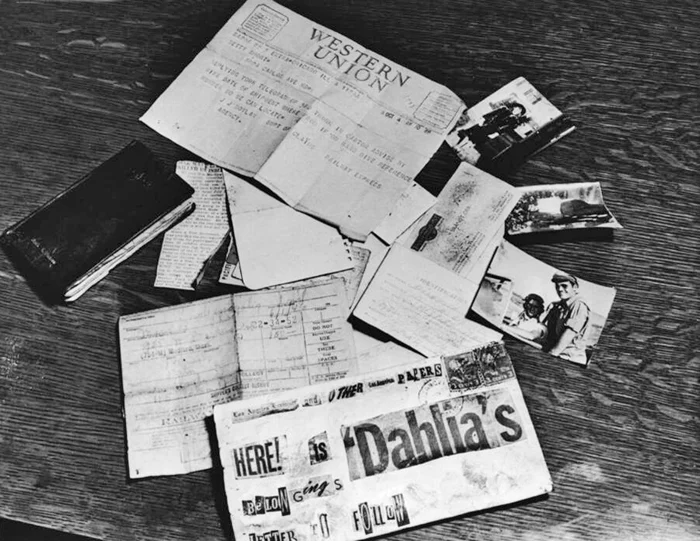
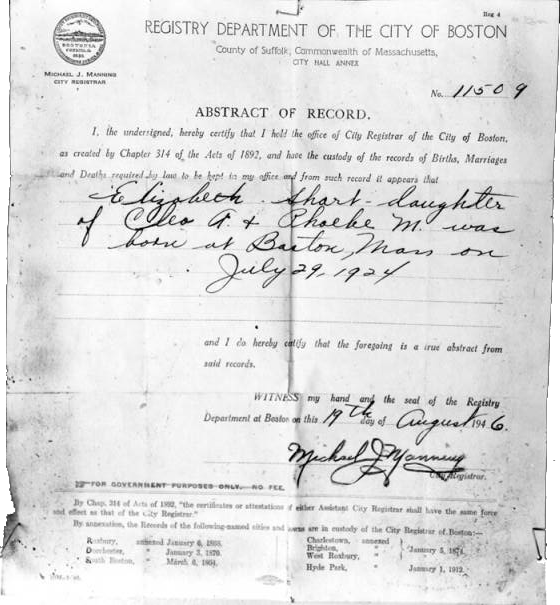
Inside were her birth certificate, photographs, business cards, and an address book — items that only the killer should have possessed.

An envelope which read: “Here is Dahlia's belongings, letter to follow,” arrived at the Examiner. Inside was Beth's birth certificate, business cards, photographs, and an address book with the name Mark Hansen on the cover.
Additionally, a handbag and a black suede shoe were reported to have been seen on top of a garbage can in an alley a short distance from Norton Avenue, two miles (three kilometers) from the crime scene. The items were recovered by police.
A letter was received by the Examiner, this time handwritten, which read: “Here it is. Turning in Wed., Jan. 29, 10 am. Had my fun at police. Black Dahlia Avenger.”
Police waited at the location on the morning of January 29, but the alleged killer did not appear. Instead, at 1:00 p.m., the Examiner offices received another cut-and-pasted letter which read: “Have changed my mind. You would not give me a square deal. Dahlia killing was justified.”